Steping back in time. exploring vigan's ancient streets using a private car with a driver from manila
Calle crisologo
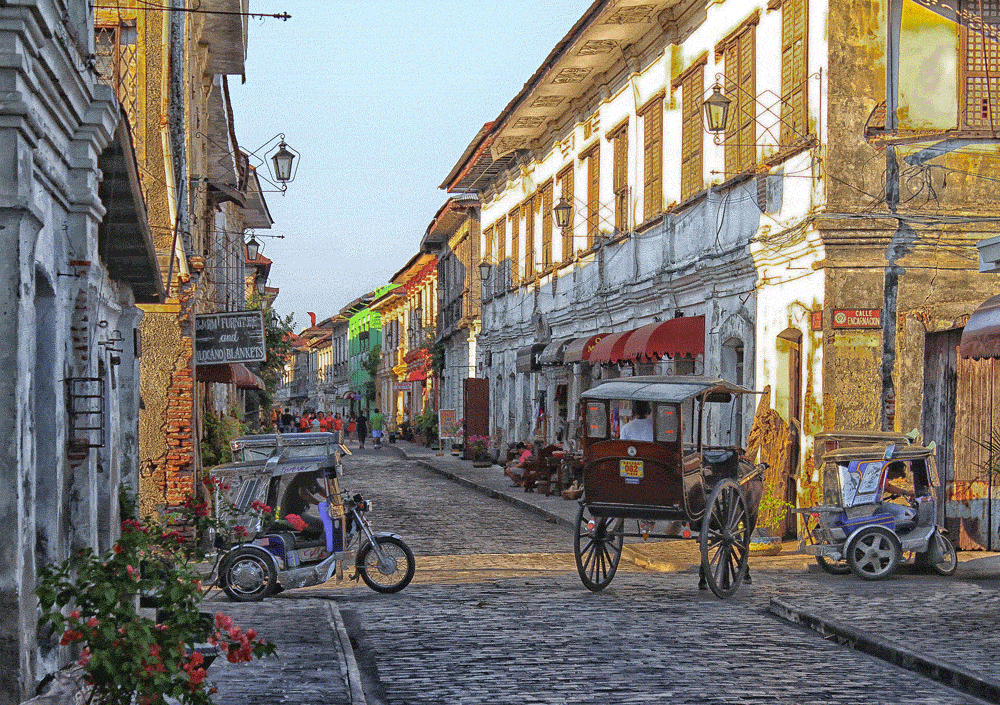
Vigan is a historical and architectural attraction and a city not to miss in Ilocos Sur. Its Calle Cridologo is one of the top heritage sites in all of the country. The street is beautifully lined with historic and antique houses along with specialty shops, all leading you on to the several hundred years of churches in town. Tourists, along with natives love to take the Kalesa here, which is the historic means of transportation in a horse and carriage along the street.
Pagburnayan pottery center
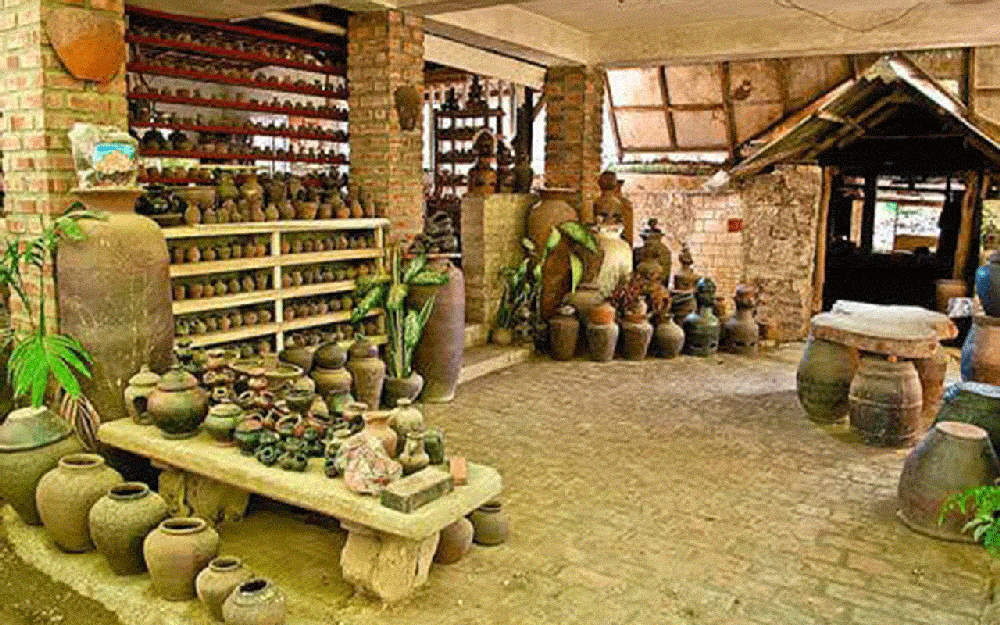
While in Vigan, you should stop by the region's iconic pottery center, Pagburnayan. This is likely the second most photographed site in all of the city after Calle Crisologo. The name of the center comes from the root word "burnay" for earthenware pots handcrafted in Vigan, called Bantog clays. The clay uniquely comes from the city's western barangays.
Rowilda's loom weavng
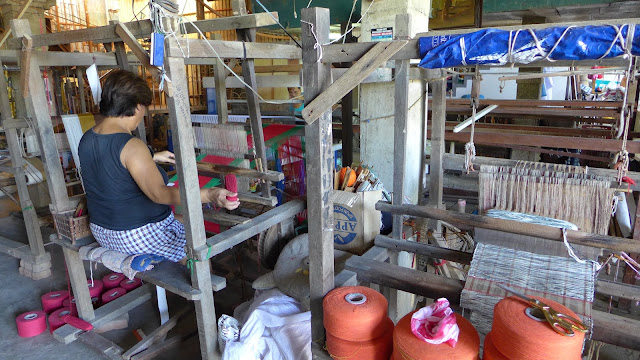
A few minutes south of Vigan lies Camanggan, home of Rowilda's Loom weaving. Here you should take a break and watch the hand weavers hard at work in the house. The inable products are astically woven using manual, traditional means of weaving cotton yarn, sewing threads, and other materials. The colorful material fabrics are eagerly sought after in the markets of Manila.
Syquia mansion
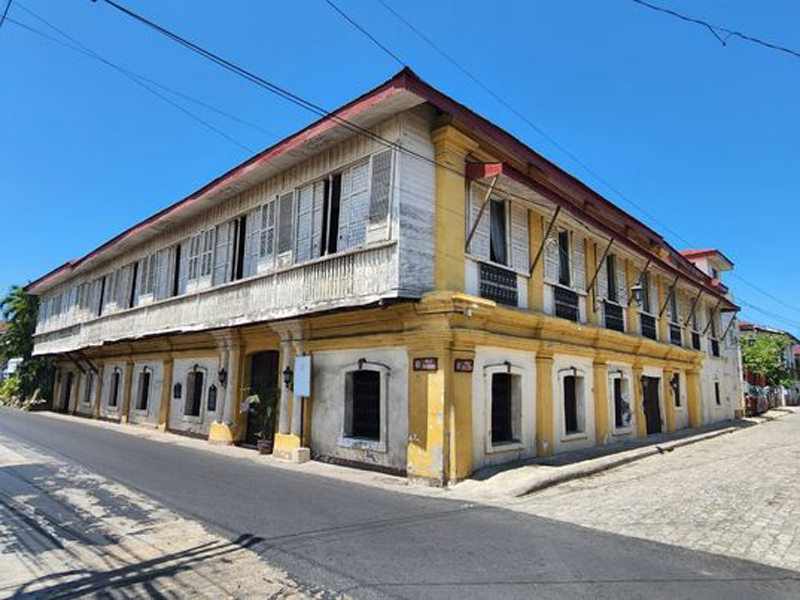
Another site to see in Vigan is the Sqquia Mansion. This mansion once served as the home for the former President Elidio Quirino and his family. It was built in the Spanish colonial period back in 1830. Today, this museum remains among the best preserved and most perfect instances of the mixed Spanish and Filipino architectural style.
Plaza salcedo
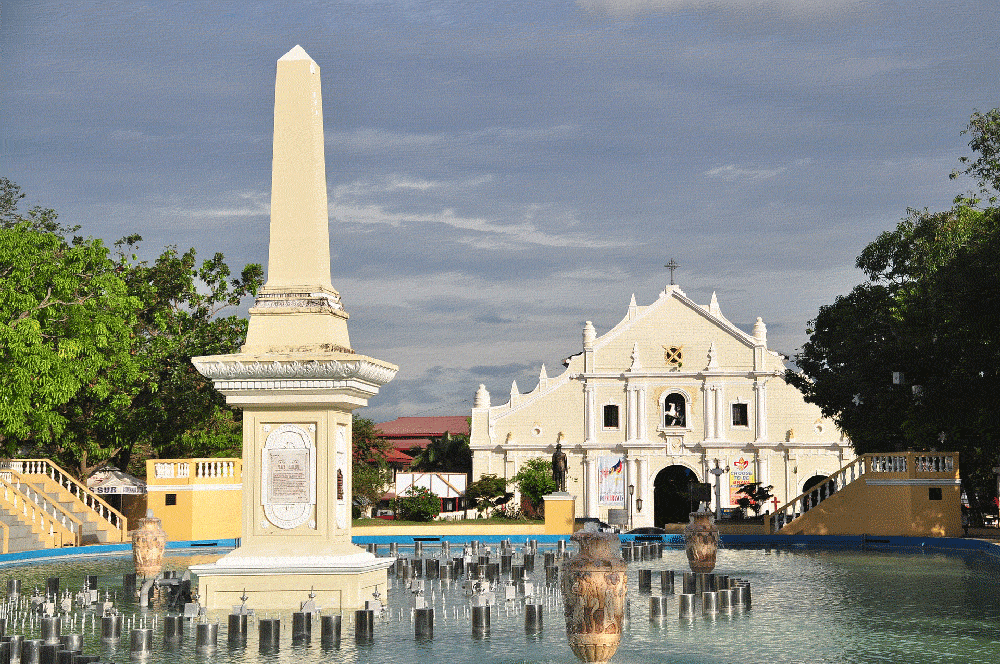
Vigan's central attraction and town center is Plaza Salcedo. Everything you would want to see fronts the plaza, including the town and regional halls, the church, and the shopping center. At night, locals and tourists alike gather to watch the Dancing Fountain at the plaza's center. You won't want to miss this light and sound spectacle.
Bantay church/bell tower
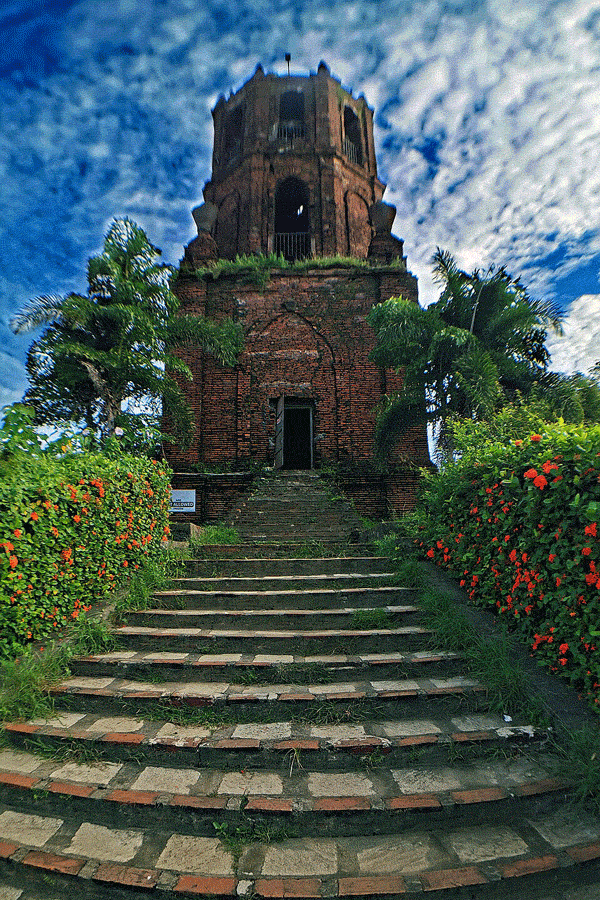
On your journey with your rented car and driver, you will come to Bantay in Ilocos Sur. Here you should stop to see the St. Augustine Parish Church and its bell tower. This Roman Catholic church was originally dedicated to St. Augustine of Hippo. It houses the miraculous statue of the Virgin Mary called Our Lady of Charity.
The belfry is historic and called Bantay Tower. The Spanish used it as a pirate watchtower. This lent its name to the town, which means "to guard." The church dates back to 1590, making it among the most historic and oldest in the region.
laoag / Sinking bell tower
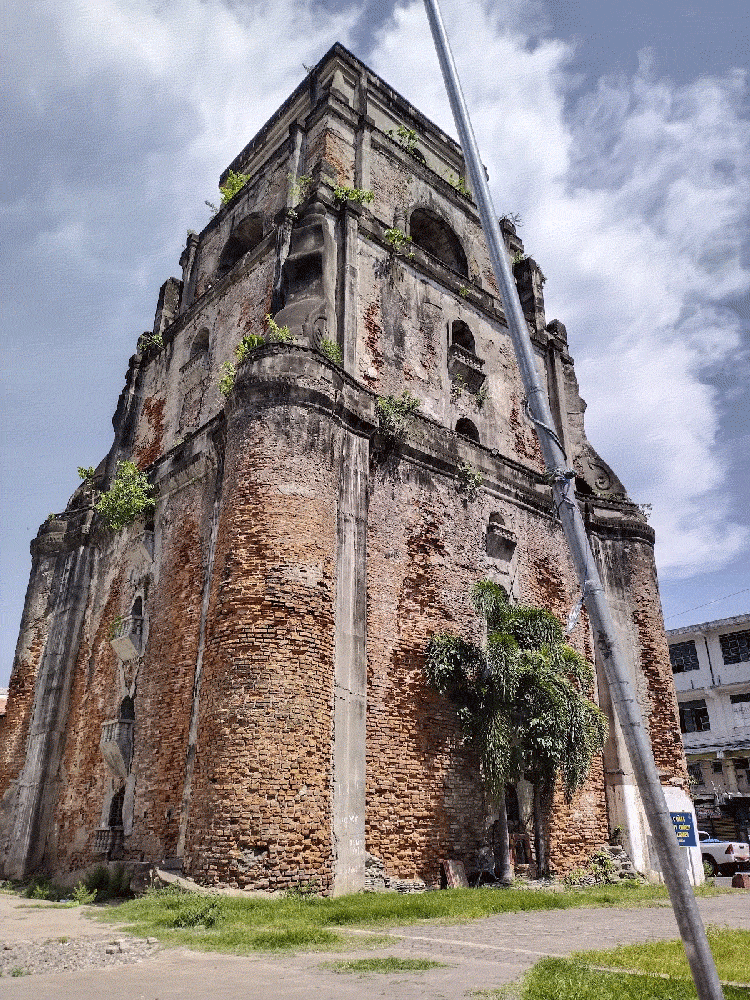
Driving further north in your rent a van with a driver, you will reach Laoag. An unusual attraction is the mysteriously sinking bell tower in Laoag City. It is odd for a number of reasons. As the main cathedral, St. William's Atul bell tower is most unusually located 80 meters away from the church. They are generally constructed attached to their cathedrals or at most only meters away.
The bell tower dates back to the period following the 1707 earthquake. It has stood through several earthquakes since construction, gaining it coveted membership in the Eastquake Baroque style. Builders joined bricks using molasses and leaves from the local sablot plant. The foundation is 90 meters, and its height spans to 45 meters. For some explained reason, the bell tower of the church sinks at the rate of approximately one inch per year, perhaps because it was built on a sandy foundation.
St. william's cathedral
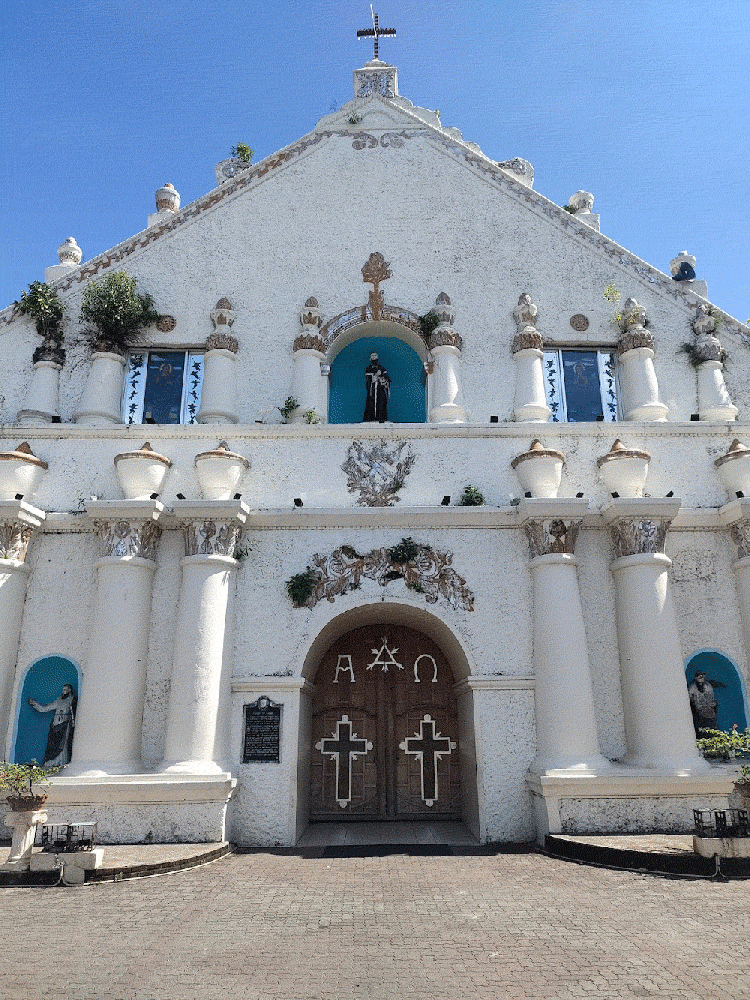
Along with the sinking bell tower, you can also see the St. William Cathedral, which is an annex. The structure is also called the Laoag Catherdral. This present church was constructed by Augustinian friars in place of their wooden chapel back in 1612. It is the seat for the Catholic Diocese of Laoag. The architecture features one primary retablo as well as two smaller-sized ones on a side. In the lower level of the main retablo (which is enormous), there is the image of the patron saint of the church, Saint William. If you are in Laoag, this cathedral and its sinking bell tower are the two attractions not to miss.
capitol
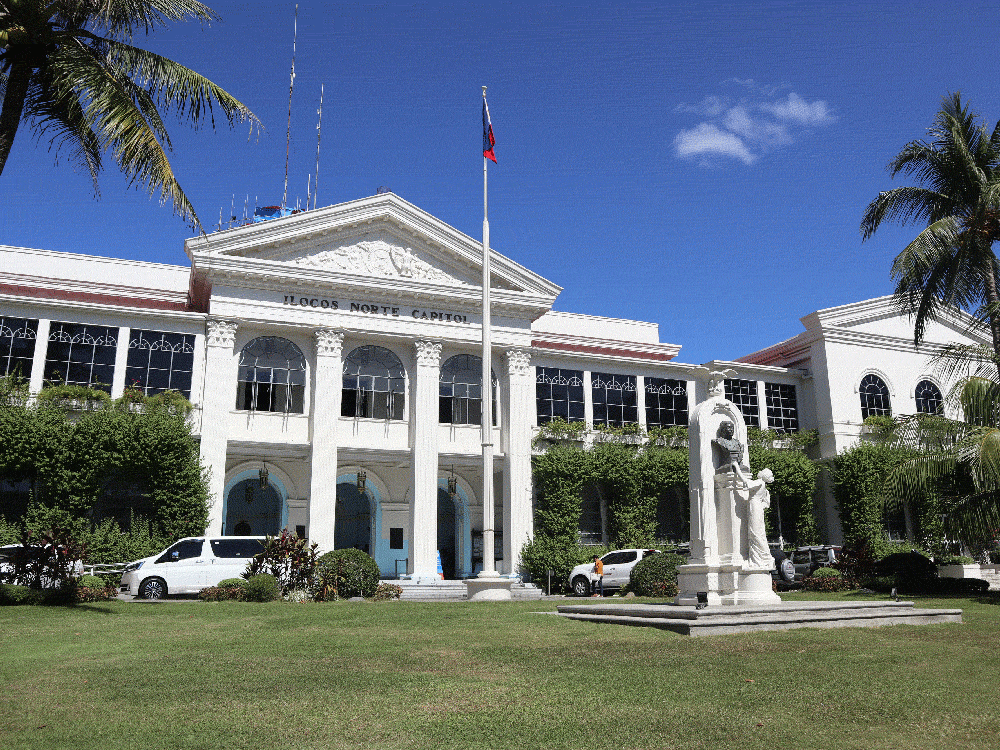
While in Laoag, you might also take in the hundred-year-old provincial capitol. This provincial capitol became established back in 1918 and has operated as the government seat for Ilocos Norte since then. The box-like edifice is almost unique in the Philippines for its blazing white Corinthian pillars at the primary entrance. It gives the capital an aura of imperial dominance that hearkens back to the colonial structures of the United States' early years. The structure is getting, as the area where it is located was once the former headquarters for the U.S. Army in the American period back in 1900 following the defeat of the Spanish in the Spanish-American War.
La Paz sand dunes
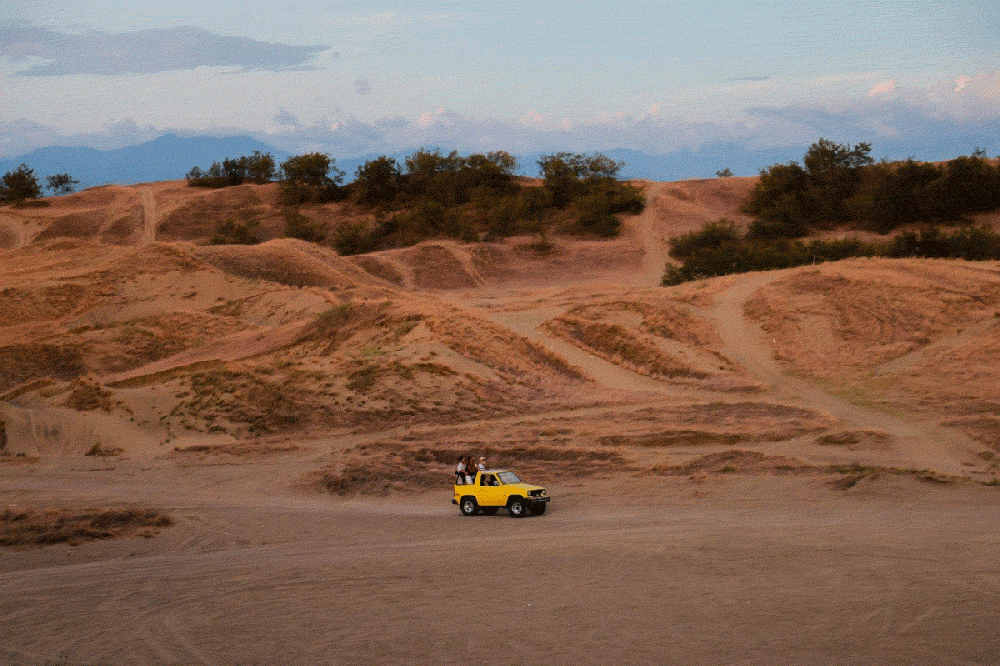
On your journey to the north, you might also want to stop by La Paz Sand Dunes. This protected sandy coast rsembles a desert located along the sea. It is gound in Laoag in Ilocos Norte and stretches for 85 square kilometers.
pagudpud
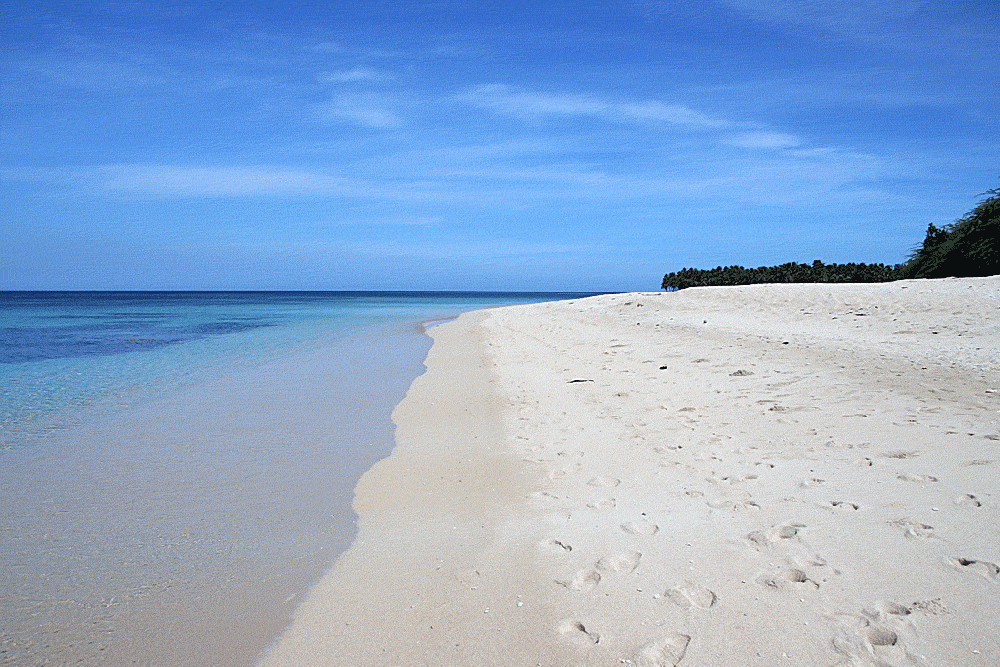
Padudpud is a city in the north. In the area, there are several worthwhile natural attractions to see. These include the area's beautiful Kabigan Falls, the Saud Beach, Blue Lagoon, and Patapat Viaduct.
batac
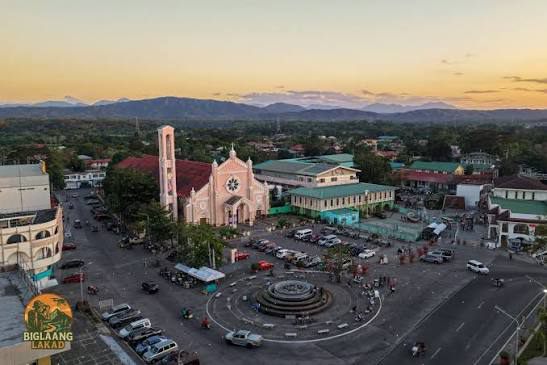
The City of Batac was built by the Augustinians back in 1587 with patronage from the Immaculate Conception. As such, it remains the second oldest town the Augustinians established in the Ilocos Norte province. In 1987 it celebrated its fourth centennial. The town has history and architecture and is worth a stroll through on your journey north.
Paoya
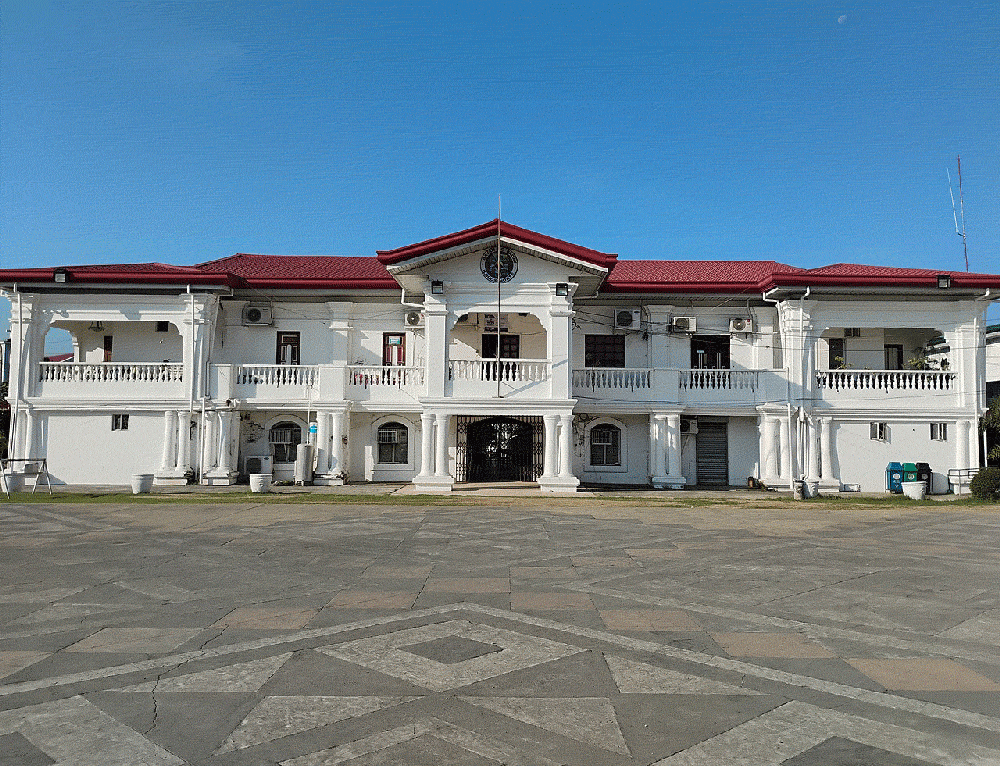
Driving further north, you will soon reach Paoay. Among the oldest and most historic churches in all of the Philippines. St. Augustine's Church is also called Paoay Church. It is a component of the UNESCO World Heritage Site as well. This church has survived numerous earthquakes. Its uniqueness comes from the huge buttresses it has. There is also a bell tower here.
Burgos cape bojedador light house
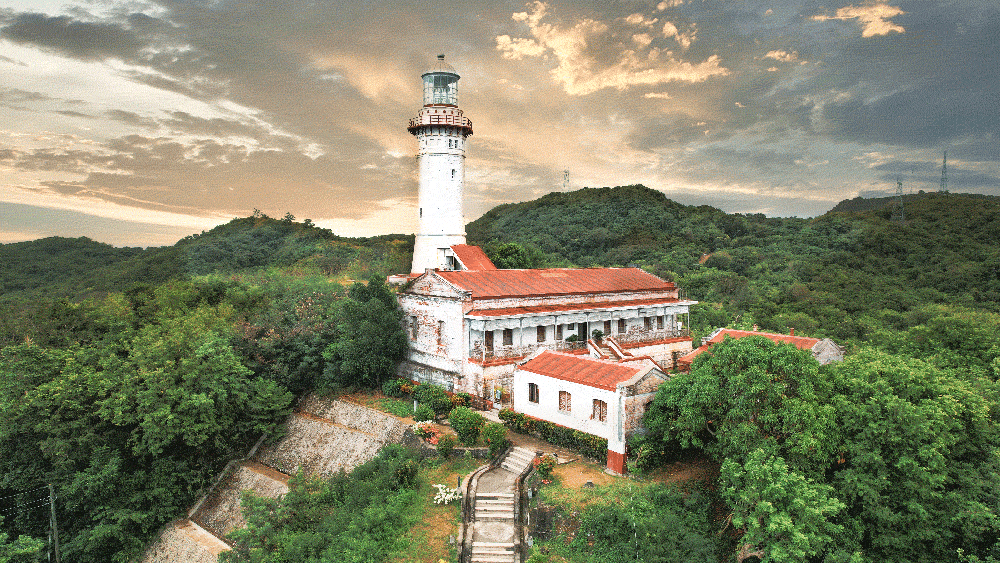
Burgos Lighthouse graces the Burgos Cape. This cultural heritage site is also called Cape Bejeador Lighthouse, and it dates back to 1892 when it was first lit during the Spanish colonial period. Today it offers amazing views of Cape Bojeador. A hundred years after its founding, it still works reliably and services ships entering the Philippines from the north, helping to guide them along the rocky coast off the shore of the town. The lighthouse is also the marker for the most northwestern point of Luzon.
Bangui wind mills

If you are interested in modern looking wind mills, there is the Bangui Windmill Farm in Ilocos Norte. It has 20 separate windmill units aligned in one solitary row over a six mile shoreline off of Bangui Bay. They fac the West Philippine Sea and are imposing looking if northing else.